

 sales@magnumohs.com
 00 91 80808 50482
_Logo.jpg)


India is facing record-breaking temperatures in 2026, and factory workers are among the most affected. Continuous exposure to extreme heat in industrial environments increases the risk of dehydration, fatigue, heat exhaustion, and even life-threatening heat strokes. Yet many factories still underestimate the importance of proper heat stress management. Because apparently “just drink water” is still considered a full workplace safety strategy in some corners of humanity. Spectacular.
At Magnum OHS, industrial worker safety remains a top priority. Through advanced PPE, cooling solutions, and safety training programs, companies can reduce heat-related hazards, improve worker wellbeing, and maintain compliance with workplace safety standards.
Heat stress occurs when the body struggles to regulate its temperature effectively due to excessive heat exposure. Factory environments with heavy machinery, poor ventilation, and physically demanding tasks significantly increase the danger. If not managed properly, heat stress can lead to dizziness, fainting, severe illness, and reduced productivity.
Many factories fail to implement environmental monitoring systems, proper hydration schedules, or heat-resistant protective gear. However, integrating effective heat stress management measures helps protect employees while improving operational efficiency and reducing downtime.
Factories operating in poorly ventilated industrial zones experience intense heat buildup, making working conditions extremely challenging for employees.
Continuous manual labor, repetitive movements, and prolonged exposure to high temperatures place additional physical strain on workers.
Outdated or non-breathable protective equipment traps heat and sweat, increasing discomfort and the likelihood of heat-related illnesses.
Workers and supervisors often fail to identify early symptoms of heat stress, delaying preventive action and medical response. Human beings ignoring warning signs until things become catastrophic. A timeless industrial tradition.
Providing regular hydration breaks and strategically placed water stations is essential for preventing dehydration. Workers should also be educated about recognizing the symptoms of heat stress so early action can be taken before emergencies occur.
Installing industrial cooling systems, ventilation units, or shaded rest areas can significantly reduce heat exposure. Even partial cooling solutions can improve worker comfort and safety during high-intensity tasks.
Traditional PPE often increases body heat retention. Magnum OHS offers lightweight helmets, breathable jackets, and cooling vests specifically designed for high-temperature industrial environments. These solutions improve comfort without compromising worker protection.
Regular workshops and safety drills help employees and supervisors recognize symptoms such as nausea, dizziness, and rapid heartbeat. Proper training ensures faster response times and better workplace preparedness.
Scheduling physically demanding tasks during cooler hours, rotating shifts, and limiting exposure during peak heat periods can greatly reduce heat-related incidents. Sometimes the revolutionary solution is simply “don’t make people melt at 2 PM.”
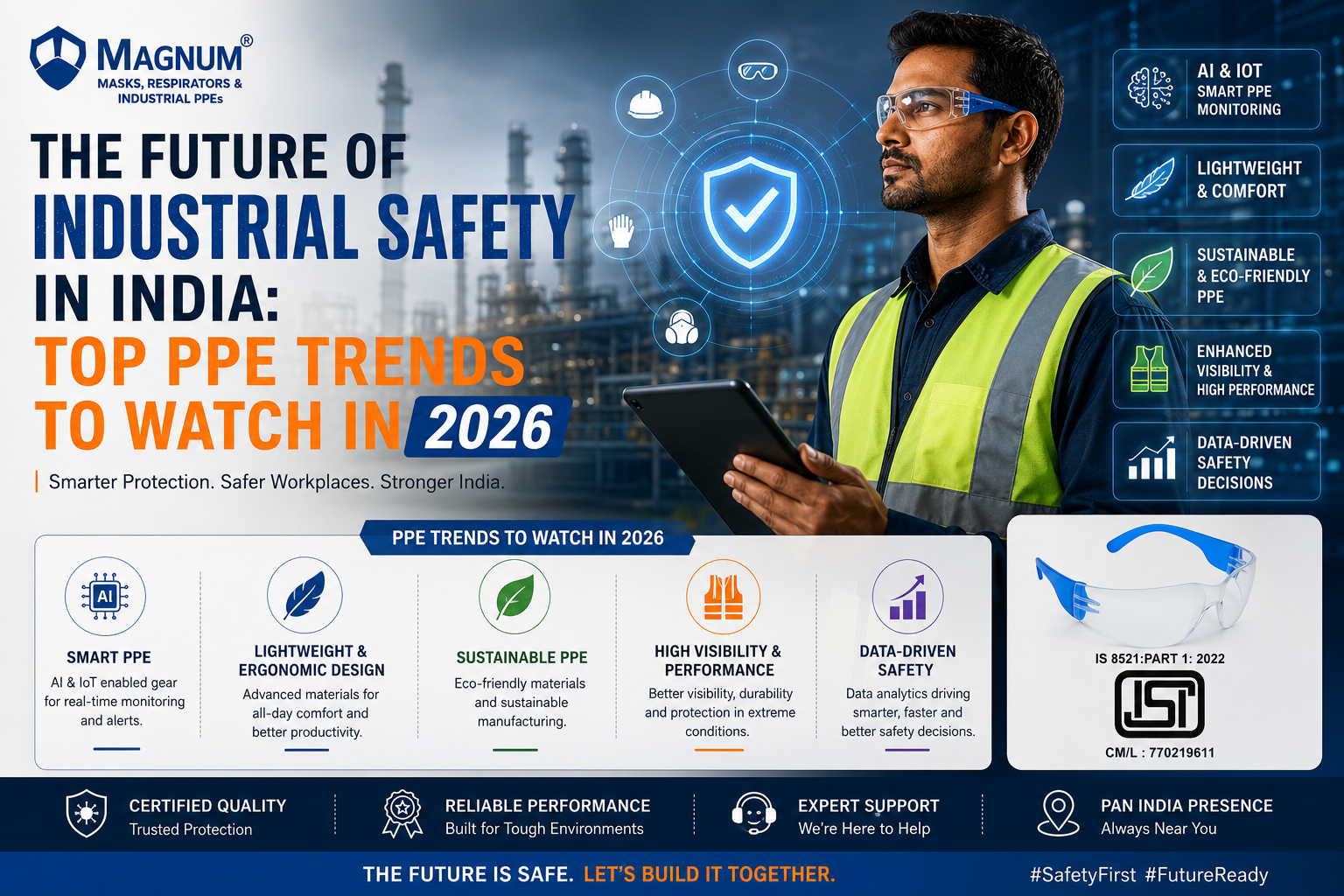
Modern technologies such as IoT sensors, wearable monitoring devices, and smart PPE are transforming industrial safety in 2026. These systems can detect excessive heat exposure in real time and alert supervisors before conditions become dangerous. Magnum OHS incorporates advanced safety technologies into its solutions to help factories prevent accidents proactively.
Factories should maintain first-aid kits, cooling stations, and clearly defined emergency evacuation procedures to respond quickly during heat-related incidents. Regular emergency drills and response planning can save lives and minimize workplace disruptions.
Magnum OHS also assists companies in developing customized emergency response strategies tailored to specific industrial operations and risk levels.
Following OSHA guidelines and local workplace safety regulations is essential for ensuring legal compliance and worker protection. Proper documentation of PPE usage, employee training, and heat monitoring procedures is critical during inspections and audits.
Magnum OHS supports organizations in meeting regulatory requirements while improving overall workplace safety standards.
Healthy workers are more efficient, focused, and less likely to make costly mistakes.
Proper safety measures significantly lower the risk of heat-related illnesses and workplace emergencies.
Preventing downtime, medical expenses, and legal complications helps reduce overall operational costs.
Employees who feel safe and valued are more motivated, productive, and likely to remain with the organization. Strange how treating workers like actual humans improves morale. Corporate science continues to advance.
Heat stress has become a major workplace safety concern for Indian factories in 2026. Organizations that fail to address it risk employee health, productivity losses, and regulatory penalties. By implementing effective safety measures such as hydration programs, cooling solutions, advanced PPE, training initiatives, and emergency planning, factories can create safer and more productive work environments.
Partnering with Magnum OHS provides companies with access to expert guidance, advanced protective equipment, and comprehensive heat stress management solutions designed for modern industrial challenges.